


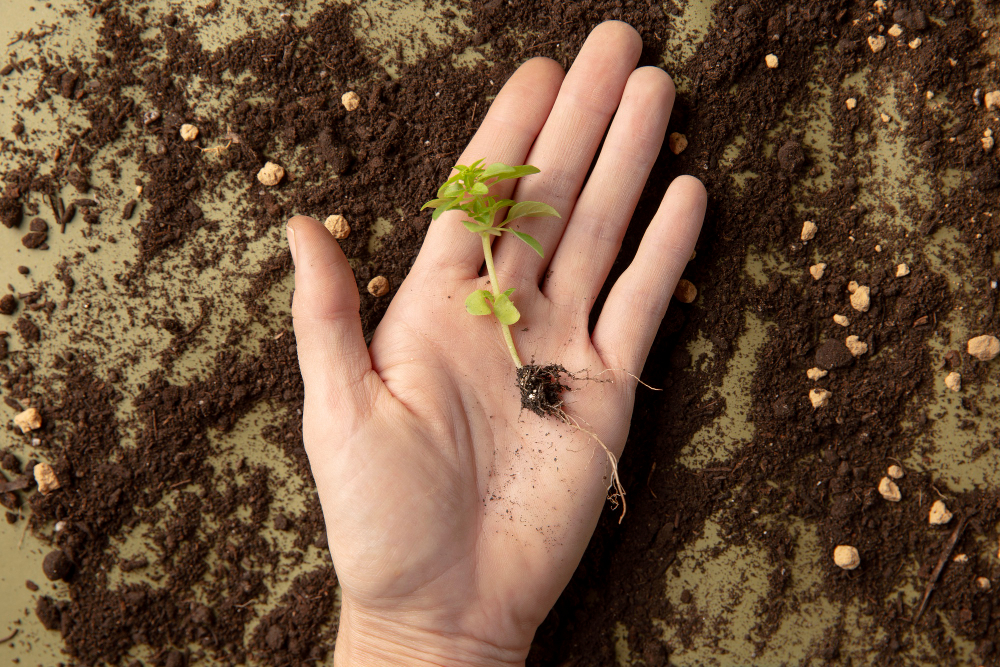
How Beneficial Microorganisms Improve Soil Health and Nutrient Availability
Explore how beneficial microorganisms support soil biology, improve nutrient availability, and create healthier conditions for stronger crop growth.

March 1, 2026


Healthy crops are at the heart of productive and sustainable farming. As farmers face growing challenges from pests, diseases, and changing environmental conditions, biological crop-protection solutions are becoming an increasingly important part of modern agriculture.




Healthy crops are at the heart of productive and sustainable farming. As farmers face growing challenges from pests, diseases, and changing environmental conditions, biological crop-protection solutions are becoming an increasingly important part of modern agriculture.
Biopesticides are crop-protection products derived from naturally occurring microorganisms or biological substances. They help manage specific pests and diseases while supporting more sustainable farming practices.
Unlike conventional chemical-based solutions, biological products work through natural biological processes. Depending on the product, they may target insect pests, soil-borne diseases, or other crop-related challenges.
Different biological products work in different ways. Beneficial microorganisms such as Bacillus, Beauveria, Metarhizium, Trichoderma, and Paecilomyces can help manage specific pests and diseases when applied correctly.
Their effectiveness depends on several factors, including:
Using the right product under the right conditions is essential for achieving effective crop protection.
Biological crop-protection solutions can be an important part of Integrated Pest Management (IPM). They give farmers additional tools for managing pests and diseases while supporting more sustainable agricultural practices.
Biological solutions can also complement other crop-protection methods when used appropriately and according to product recommendations.
When incorporated correctly into a crop-management program, biological solutions can help farmers:
The results depend on selecting the appropriate product and applying it correctly for the specific crop and target problem.
Every crop and farming challenge is different. The right biological solution depends on factors such as the crop, target pest or disease, growth stage, and field conditions.
Before choosing a product, it is important to correctly identify the problem and understand the recommended application requirements.
At Mara LifeSciences, our technical team provides support to help farmers understand biological solutions and identify suitable options for their crop-protection needs.
Biological crop protection is not simply about replacing one agricultural input with another. It is about building practical and sustainable approaches to crop health.
With the right knowledge, products, and application practices, biological solutions can become part of a more resilient approach to modern agriculture.




%201.svg)
