


How Beneficial Microorganisms Improve Soil Health and Nutrient Availability
Explore how beneficial microorganisms support soil biology, improve nutrient availability, and create healthier conditions for stronger crop growth.

March 1, 2026


Learn how Integrated Pest Management combines biological solutions, monitoring, and practical farming practices to manage pests and diseases while supporting healthier and more sustainable crops.



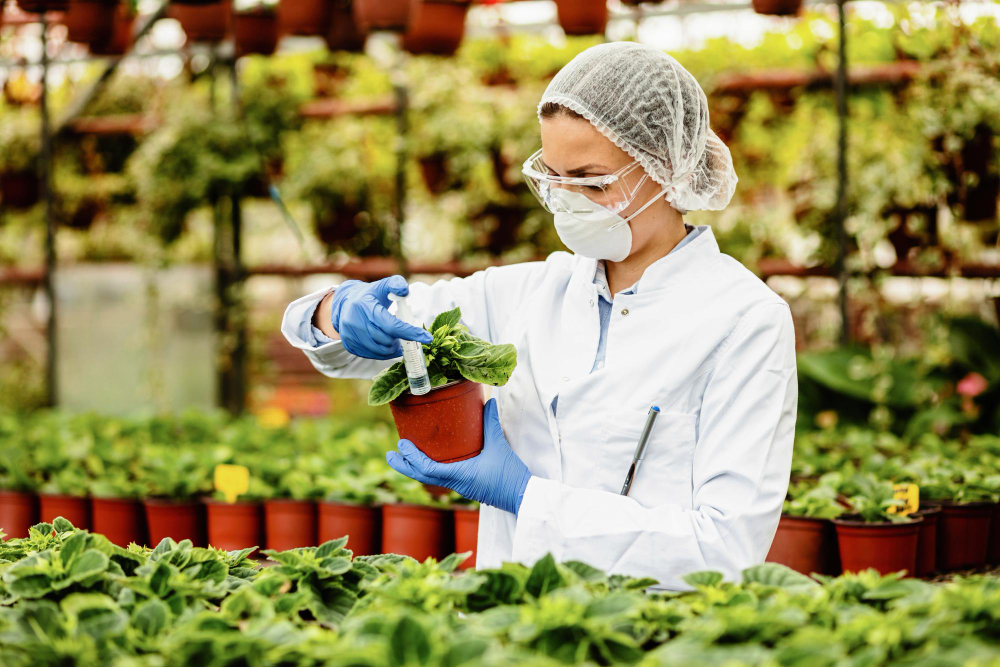
Protecting crops is about more than responding to pests and diseases after they appear. Modern agriculture increasingly focuses on understanding crop conditions, monitoring potential problems, and using different protection methods together. This approach is known as Integrated Pest Management (IPM).
Integrated Pest Management is a practical approach to managing pests and diseases by combining different suitable crop-protection methods.
Rather than relying on a single solution, IPM considers the crop, pest or disease, environmental conditions, and level of risk before deciding on an appropriate action.
Pest and disease pressure can vary significantly between crops, seasons, and growing conditions. Regular monitoring allows farmers to identify problems early and make informed crop-protection decisions.
An IPM approach can help farmers:
Biological crop-protection products can be an important component of an IPM program.
Beneficial microorganisms such as Bacillus, Beauveria, Metarhizium, Trichoderma, and Paecilomyces are used in biological solutions for specific crop-protection challenges.
The appropriate biological product depends on the target pest or disease, crop, growth stage, and application conditions.
Effective IPM begins with observation. Farmers can regularly inspect their crops for signs of:
Early identification helps farmers understand what is happening in the field before choosing an appropriate response.
IPM can bring together several approaches, including crop monitoring, cultural practices, biological solutions, and other appropriate crop-protection methods.
The goal is to develop a practical crop-management strategy based on the specific conditions of each field.
Biological solutions should always be used according to their product-specific recommendations.
Important factors can include:
When in doubt, farmers should consult the product label or seek technical guidance.
IPM encourages farmers to look at crop protection as a complete system rather than a single intervention. Biological solutions can complement this approach by providing additional tools for managing specific pests and diseases.
A well-planned IPM strategy can support practical, informed, and sustainable crop-management decisions.
At Mara LifeSciences, we provide biological crop-protection solutions together with technical support and farmer training.
Our goal is to help farmers better understand biological approaches and integrate suitable solutions into their crop-management practices.
Healthy crops require continuous observation, informed decisions, and the right tools at the right time.
By combining monitoring, biological solutions, and appropriate farming practices, Integrated Pest Management provides a practical framework for managing crop-protection challenges while supporting more sustainable agriculture.




%201.svg)
