



How Beneficial Microorganisms Improve Soil Health and Nutrient Availability
Explore how beneficial microorganisms support soil biology, improve nutrient availability, and create healthier conditions for stronger crop growth.

March 1, 2026


Soil health is a critical component of sustainable agriculture, influencing everything from crop yields to environmental quality. Healthy soil supports robust plant growth, enhances water retention, and promotes biodiversity, making it essential for long-term agricultural success.



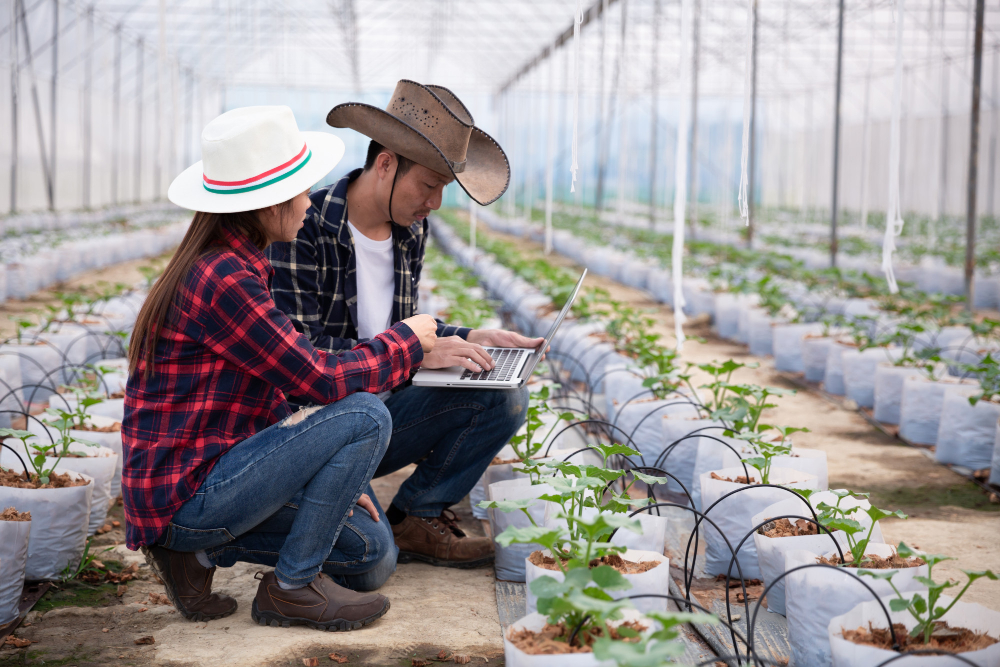
Soil health is a critical component of sustainable agriculture, influencing everything from crop yields to environmental quality. Healthy soil supports robust plant growth, enhances water retention, and promotes biodiversity, making it essential for long-term agricultural success.
Healthy soil is characterized by a rich composition of organic matter, a balanced pH, and a diverse community of microorganisms. These elements work together to create a thriving ecosystem that supports plant life. Key indicators of soil health include:
Farmers can assess soil health through various tests and observations, allowing them to make informed decisions about soil management practices.
Implementing practices that promote soil health is vital for sustainable farming. Some effective strategies include:
These practices not only improve soil health but also contribute to greater resilience against pests and diseases.
Investing in soil health yields numerous benefits, including:
By prioritizing soil health, farmers can create a more sustainable agricultural system that benefits both their operations and the environment.
Soil health is the foundation of sustainable agriculture. By adopting practices that enhance soil quality, farmers can ensure the long-term viability of their crops and contribute to a healthier planet. As we move forward, it is essential to recognize the interconnectedness of soil health, crop productivity, and environmental stewardship.





%201.svg)
